

Cyclone Ditwah Floods: Where People Are Finding Essential Items
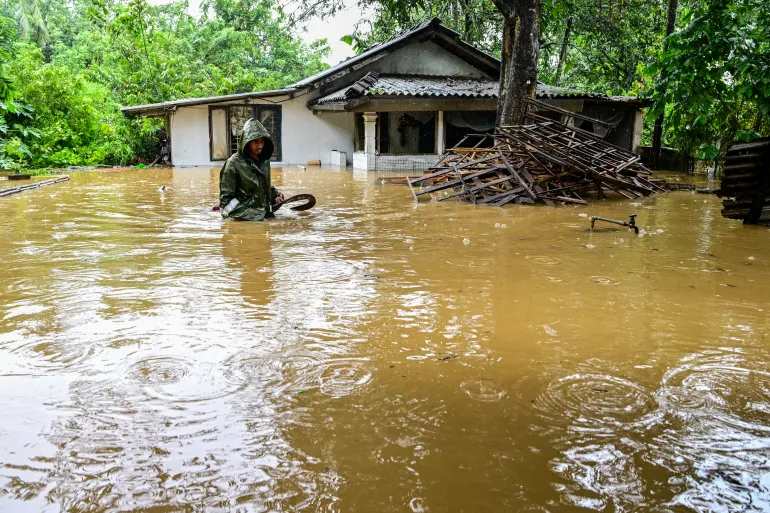
Sri Lanka is facing one of its most devastating natural disasters in recent years after Cyclone Ditwah brought days of continuous heavy rainfall, flash floods, and landslides across the country. The cyclone, which struck in late November 2025, has caused severe damage to homes, roads, and essential infrastructure, leaving hundreds dead and thousands displaced.
Entire communities in Colombo, Gampaha, Kegalle, Kalutara, Ratnapura, and several other districts have been submerged, while rescue teams continue to search for missing residents and support families affected by the floods. The scale of the destruction has prompted emergency responses nationwide as authorities and humanitarian organizations work to manage the impact and provide urgent assistance.
What Happened? – Overview of Cyclone Ditwah
Cyclone Ditwah formed over the Bay of Bengal and moved rapidly toward Sri Lanka, bringing with it an intense band of rainfall and strong winds. As it made landfall, the system triggered widespread flooding, river overflows, and multiple landslides across both urban and rural areas.
Meteorologists reported that the cyclone carried unusually high moisture levels, causing persistent rainfall for several days. This prolonged downpour overwhelmed drainage systems, saturated hillsides, and forced major rivers including the Kelani, Kalu, Gin, and Nilwala to break their banks.
The storm’s impact was felt across nearly all 25 districts, with the worst-hit areas reporting entire neighborhoods submerged, transportation routes cut off, and thousands of residents unable to leave their homes. Coastal regions also experienced strong wind damage, while inland districts faced severe mudslides.
Cyclone Ditwah is now considered one of the most destructive weather events to hit Sri Lanka in recent decades.
Human Impact & Damage Assessment
Cyclone Ditwah has left a significant humanitarian crisis across Sri Lanka. The combination of flash floods, landslides, and overflowing rivers has resulted in widespread casualties and displacement.
Authorities have confirmed hundreds of fatalities, with numbers still rising as rescue teams continue their search operations. Many of the victims were trapped inside their homes during sudden landslides or swept away by rapidly rising floodwaters. In several districts, entire families have been reported missing.
More than 1.4 million people are estimated to have been affected by the disaster. Thousands of homes have been destroyed or severely damaged, forcing families to move to temporary shelters, relief camps, and schools that have been converted into emergency accommodation.
In addition to housing loss, essential items such as clothing, medicine, water supplies, and food stocks have been washed away. Many communities are still cut off, especially in hilly and rural regions where landslides have blocked access roads.
Photos and on-ground reports highlight scenes of extensive destruction:
- submerged neighborhoods
- collapsed houses
- vehicles carried away by floodwaters
- children and elderly people being evacuated by rescue teams
- communities wading through waist-high water carrying basic belongings
The scale of human suffering underscores the severity of Cyclone Ditwah and the urgent need for continuous rescue, relief, and recovery efforts.
Infrastructure Damage
Cyclone Ditwah has caused extensive damage to Sri Lanka’s infrastructure, disrupting transportation, communication, and essential public services nationwide. The heavy rains and overflowing rivers severely impacted both urban and rural regions, leaving many areas inaccessible.
Roads & Transportation
Major highways and provincial roads have been washed out or buried under mud. Bridges in several districts especially in Kalutara, Ratnapura, Kegalle, and parts of Colombo have collapsed or become unsafe due to structural weakening. Landslides in hilly regions have blocked key access routes, making it difficult for rescue teams to reach affected communities.
Electricity & Power Supply
Thousands of households are without electricity after power lines were damaged or toppled by flooding and strong winds. Repair crews face delays due to dangerous conditions and limited access to remote areas.
Water Supply & Sanitation
Floodwaters have contaminated wells and treated water systems in many districts, raising concerns about waterborne diseases. In low-lying areas, sewage systems have overflowed, creating sanitation challenges and increasing public health risks.
Hospitals & Medical Services
Several hospitals and clinics have been partially flooded or cut off. Emergency medical teams are working around the clock, but shortages of medicine, clean water, and transportation are making it harder to support vulnerable groups especially children, the elderly, and patients with chronic conditions.
Schools & Public Buildings
Schools, government buildings, and community centers have suffered structural damage. Many facilities are now being used as temporary shelters for displaced families, putting additional pressure on already limited resources.
The extensive infrastructure damage means recovery will take time, coordinated planning, and significant resources even after the floodwaters begin to recede.
Government & Emergency Response
In the wake of Cyclone Ditwah’s widespread destruction, the Sri Lankan government and multiple emergency agencies have launched a nationwide response effort. With entire districts submerged and thousands of families stranded, coordinated action has been critical to saving lives and stabilizing the situation.
State of Emergency Declared
Authorities quickly declared an emergency in several districts, enabling rapid deployment of rescue forces, securing emergency funds, and prioritizing relief logistics. This move also helped streamline coordination between national and provincial agencies.
Military & Rescue Deployment
The Sri Lanka Army, Navy, Air Force, and Police have been mobilized across all affected regions. Their efforts include:
- evacuating residents trapped in flooded homes
- rescuing people from landslide-prone areas
- transporting injured individuals to hospitals
- airlifting supplies to isolated communities
- clearing blocked roads to restore access
Specialized military teams with boats, helicopters, and heavy rescue equipment are working around the clock.
International Assistance
Neighboring countries and global humanitarian organizations have sent support teams, medical supplies, and emergency response units. International agencies are also helping assess damage and plan long-term recovery.
Emergency Shelters & Relief Centers
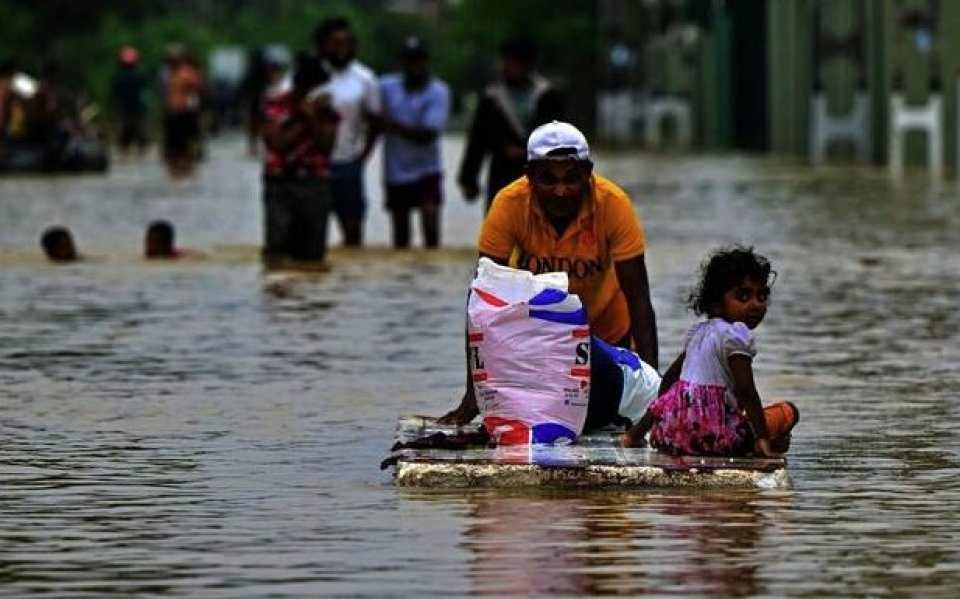
Schools, community halls, and government buildings have been converted into temporary shelters. These centers provide:
- safe accommodation
- clean drinking water
- meals
- basic medical care
However, the number of displaced families continues to rise, increasing pressure on available relief resources.
Health & Safety Measures
Authorities have issued public warnings about:
- contaminated water sources
- risks of landslides in saturated areas
- electrical hazards in flooded zones
- spread of infectious diseases due to stagnant water
Public health teams are distributing water purification tablets, mosquito repellents, and hygiene kits to reduce illness risks.
The government’s immediate priority remains saving lives, ensuring access to essentials, and stabilizing critical infrastructure.
Local Community Response & Volunteer Efforts
As Cyclone Ditwah’s destruction unfolded, Sri Lankans across the country showed remarkable solidarity. While emergency services were deployed on a national scale, local communities, volunteers, and grassroots groups became the backbone of early rescue and relief operations in many areas.
Neighborhood-Led Rescues
In several districts, especially where official teams couldn’t reach immediately, residents organized their own rescue efforts.
Communities used small boats, makeshift rafts, and even water tanks turned into flotation devices to help families trapped inside flooded homes.
Support from Religious and Community Centers
Temples, mosques, churches, and kovils opened their doors to displaced families, offering food, shelter, and emotional support. Many of these centers became overnight relief hubs when official shelters were full or out of reach.
Volunteer Groups & Youth Teams
Youth groups and student networks mobilized rapidly through social media, coordinating:
- distribution of cooked meals
- delivery of blankets and clothing
- transportation for the elderly
- medical supply donations
- safe relocation for families in landslide-prone areas
These groups played a crucial role in filling gaps where government resources were stretched thin.
NGOs & Private Organizations
Local and international NGOs launched parallel operations, providing:
- drinking water
- hygiene kits
- first-aid supplies
- temporary shelter materials
- mental health support teams
Several private companies also contributed through donations, logistics vehicles, and emergency transport.
Digital Coordination & Information Sharing
Online platforms and community WhatsApp groups helped volunteers:
- track missing people
- identify areas needing urgent help
- share safe routes around closed roads
- coordinate volunteer deliveries
This grassroots digital response significantly accelerated relief efforts.
The strong community-driven actions have been one of the most powerful and hopeful aspects of the disaster, helping thousands survive the initial days following Cyclone Ditwah.
How the Disaster Affected Daily Life in Sri Lanka
Cyclone Ditwah has disrupted daily life across Sri Lanka in ways that go far beyond physical damage. For millions of residents, basic routines such as commuting, accessing food, or staying connected have become difficult or, in some areas, impossible.
Transportation Breakdown
Many major roads remain flooded or blocked by landslides, cutting off entire towns and slowing relief operations. Daily commuters are facing long detours, cancelled bus routes, and severe delays. In rural districts, some families are still completely isolated.
Interrupted Food & Supply Access
Flooded markets, closed shops, and damaged supply chains have created shortages of essential items especially drinking water, dry food, and hygiene products. In several areas, residents rely entirely on relief teams for basic supplies.
Power Outages & Communication Issues
Frequent power cuts and damaged telecommunications infrastructure have affected mobile networks and internet access. This has made it harder for families to contact emergency services or check on loved ones in other districts.
Water Contamination
Wells and water tanks in many flood-hit regions are contaminated, forcing families to depend on bottled or purified water. Public health advisories warn citizens to avoid using untreated water due to infection risks.
School & Workplace Closures
Schools in affected districts are closed many being used as temporary shelters. Several offices, especially in Colombo’s outskirts and low-lying areas, remain shut or are operating remotely where possible.
Psychological Stress & Uncertainty
The suddenness of the floods, loss of homes, displacement, and difficulty accessing essentials have caused widespread emotional distress. Families with children, the elderly, and people with medical needs are particularly vulnerable.
Overall, Cyclone Ditwah has reshaped everyday life, leaving many households uncertain about when normalcy will return.
Essential Supplies Needed During Flood Situations
During a large-scale disaster like Cyclone Ditwah, certain essentials become critical for survival, safety, and basic comfort. With transportation routes blocked and many shops temporarily closed, families often struggle to access the items they need most. Here is a clear overview of the supplies that become vital during flood emergencies in Sri Lanka.
1. Clean Drinking Water
Contamination of wells and local water sources is one of the most urgent health risks during floods. Bottled water, purification tablets, and portable filters are essential to prevent waterborne diseases.
2. Dry Food & Ready-to-Eat Meals
Foods that require minimal preparation such as canned goods, biscuits, cereals, milk powder, baby formula, and dried foods are critical, especially when cooking facilities are unavailable.
3. First-Aid & Basic Medicines
Floods often increase the risk of infections, injuries, and illness. Important items include:
- antiseptics
- bandages
- pain relievers
- fever medication
- mosquito repellents
- prescribed medications for chronic conditions
4. Hygiene Essentials
Stagnant water and crowded shelters can quickly lead to hygiene issues. Essential items include:
- soap
- hand sanitizer
- sanitary pads
- diapers
- wet wipes
- disinfectant solutions
5. Flashlights, Batteries & Power Banks
With continuous power outages, lighting and device charging become a challenge. Portable power sources help families stay safe and connected.
6. Blankets, Clothing & Towels
Floodwaters damage clothing and bedding. Dry, clean garments especially for children and the elderly are crucial for health and warmth.
7. Emergency Tools
Items such as ropes, waterproof bags, whistles, and simple toolkits help during evacuations and rescue situations.
A Practical Note for SWOP Readers
In many districts affected by Cyclone Ditwah, residents have turned to online platforms to obtain essential items especially when local stores have been closed or inaccessible. Platforms like SWOP, which provide access to multiple sellers in one place, have helped people compare availability and find critical supplies more quickly during the emergency.
Economic & Price Impacts
Cyclone Ditwah has not only caused physical destruction but has also created significant short-term economic pressure across Sri Lanka. With transportation networks disrupted, businesses closed, and supply chains strained, the country is already seeing noticeable shifts in prices, product availability, and market behavior.
1. Shortages of Essential Goods
Flooded warehouses, closed retail stores, and blocked transport routes have limited the supply of everyday necessities such as:
- bottled water
- dry food
- hygiene products
- medicines
- batteries and power banks
These shortages have pushed some local prices temporarily higher, especially in heavily affected districts.
2. Increased Demand for Emergency Supplies
Items like flashlights, generators, tarpaulins, ready to eat foods, and first-aid supplies have seen a surge in demand. In many areas, these items sell out within hours of restocking.
3. Disruption to Local Businesses
Many small shops and local vendors have been forced to close due to:
- water damage to stock
- power cuts
- transportation breakdowns
- safety concerns
This affects daily workers, delivery services, and wholesalers who rely on regular trade.
4. Impact on Electronics & Appliances
Because electronic stores in low-lying areas were among the most affected, the availability of:
- power banks
- mobile phones
- chargers
- backup batteries
- small household appliances
has temporarily decreased. Some prices may fluctuate until supply chains stabilize.
5. Rising Logistics Costs
Delivery companies face difficulties navigating blocked roads and flooded zones. This increases transport costs, which can reflect in temporary price adjustments.
6. Reliance on Online Marketplaces
With many physical stores inaccessible, people have increasingly turned to online platforms to find essentials. Being able to compare prices from different sellers in one place like on SWOP helps buyers avoid overpriced items and identify genuine availability during the crisis.
7. Long-Term Economic Concerns
Economists warn that:
- agricultural losses
- infrastructure repairs
- property damage
- business closures
may have a longer-term impact on the national economy. Recovery will require substantial financial and logistical support.
What Happens Next? (Outlook for Recovery)
As floodwaters gradually begin to recede in several districts, Sri Lanka is entering a critical phase focused on recovery, rehabilitation, and long-term rebuilding. While the immediate priority remains ensuring the safety of affected families, attention is now shifting toward restoring essential services and helping communities return to normal life.
1. Receding Waters & Damage Assessments
Authorities are conducting detailed evaluations of:
- structural damage to homes
- the stability of bridges and roads
- landslide risk zones
- contaminated water sources
- agricultural and livestock losses
These assessments will guide where rebuilding efforts must be prioritized.
2. Gradual Restoration of Infrastructure
Utility providers are working to restore:
- electricity to affected areas
- stable mobile and internet connections
- clean water supplies
- transport routes for relief trucks and ambulances
Restoring these systems will be essential for the return of daily life.
3. Reopening Schools & Public Facilities
Once buildings are cleared and deemed safe, schools and community centers currently being used as shelters will begin transitioning back to their normal functions. This process may take weeks, depending on the district.
4. Support for Displaced Families
Government and humanitarian groups are planning extended assistance programs, including:
- temporary housing
- food and water distribution
- medical support
- mental health services
- recovery grants for families who lost homes
These initiatives are essential for long-term stability, especially for vulnerable groups.
5. Rebuilding Homes & Communities
Reconstruction efforts will likely include:
- rebuilding flood-resistant homes
- repairing damaged hospitals and schools
- reinforcing riverbanks
- improving drainage systems in high-risk areas
Local and international organizations may support these projects with funding, materials, and manpower.
6. Stabilizing Supply Chains
Businesses and market suppliers are working to resume operations. As transport routes reopen, the availability of essential goods including electronics, household basics, and emergency supplies will gradually normalize.
Online marketplaces will continue to play a role in bridging gaps as physical shops recover.
7. Monitoring Future Weather Risks
Meteorological agencies are monitoring rainfall patterns and issuing alerts to ensure communities in landslide-prone areas remain safe during the recovery period.
While the road to rebuilding will be lengthy, coordinated efforts between government agencies, NGOs, and communities are laying the groundwork for Sri Lanka’s recovery from Cyclone Ditwah.
Where Sri Lankans Can Access Essential Supplies During the Floods
With many shops closed, roads blocked, and supply chains disrupted after Cyclone Ditwah, thousands of families across Sri Lanka have turned to online platforms to source essential items quickly. Access to drinking water, dry food, hygiene supplies, lighting, and phone-charging equipment has become critical especially for households in low-lying and isolated areas.
During the first days of the flood response, residents in districts such as Colombo, Gampaha, Kalutara, and Ratnapura reported difficulty finding items like bottled water, baby formula, batteries, and medical essentials in nearby stores. As a result, many people relied on online marketplaces to check which products were still in stock and which sellers could deliver safely.
Platforms like SWOP have been used by families to compare availability and prices for essential items such as:
- Power banks for staying connected during long power cuts
- Flashlights and battery packs for nighttime safety
- Bottled water and purification tablets for areas with contaminated wells
- Dry food, canned goods, milk powder, and baby food
- Mosquito repellents, disinfectants, and hygiene kits
- Blankets, towels, and dry clothing for displaced families
- Basic medical supplies, including bandages and fever medication
Because swop.lk shows multiple sellers in one place, residents have been able to avoid overpricing and quickly find whichever stores still had remaining stock a significant advantage when local shops were flooded or inaccessible.
While the situation is slowly improving, online access to essential goods remains a practical option for many households as recovery efforts continue and physical stores gradually reopen.
FAQs — Sri Lanka Floods 2025 (Cyclone Ditwah)
1. What caused the Sri Lanka floods in 2025?
The floods were primarily caused by Cyclone Ditwah, which brought continuous heavy rainfall, strong winds, and widespread river overflows across the country. The combination of saturated soil and overwhelmed drainage systems led to flash floods and landslides in multiple districts.
2. Which areas were affected the most?
The worst-hit areas include Colombo, Gampaha, Kalutara, Kegalle, Ratnapura, Matara, Galle, and Nuwara Eliya. Many of these districts experienced severe flooding, blocked roads, landslides, and widespread power outages.
3. How many people have been displaced?
More than 1.4 million people have been affected, with hundreds of thousands displaced from their homes. Many are currently staying in temporary shelters and schools converted to relief centers.
4. Are the floodwaters receding?
In several districts, water levels have started to fall, but many areas especially low-lying and riverbank communities remain flooded or inaccessible. Landslide-prone regions are still under heavy monitoring.
5. Is the water safe to drink after the floods?
No. In most affected regions, wells and water tanks have been contaminated. Residents are advised to use bottled water, boiled water, or water purification tablets until authorities declare local supplies safe.
6. What kind of assistance is being provided?
Rescue teams, government agencies, the military, and international organizations are supplying:
- food and drinking water
- medical support
- temporary shelter
- hygiene kits
- rescue transportation
- evacuation for high-risk communities
7. How can people access essential supplies during the crisis?
Because many physical stores are closed or unreachable, residents are turning to online platforms, community groups, and coordinated relief distributions. Platforms like SWOP help compare available items from multiple sellers, especially in regions where access remains limited.
8. When will schools and workplaces reopen?
Reopenings depend on the extent of damage and safety evaluations. In many districts, schools remain closed because they are being used as relief centers. Some workplaces continue to operate remotely until roads and services stabilize.
9. How long will full recovery take?
Recovery timelines vary by district. While some areas may return to normal within weeks, regions with heavy infrastructure damage or landslides may require months for complete restoration and rebuilding.
Cyclone Ditwah has left a lasting impact on Sri Lanka, becoming one of the most destructive natural disasters the country has faced in recent decades. The severe flooding, landslides, and infrastructure damage have affected millions of people destroying homes, disrupting daily life, and placing enormous pressure on emergency services.
Despite the scale of the tragedy, the response from rescue teams, volunteers, community groups, and international partners has been swift and coordinated. Across the country, families, neighbors, and local organizations have come together to support one another, offering food, shelter, and essential assistance where it’s needed most.
As floodwaters slowly recede, attention now turns to recovery restoring power and water, rebuilding homes, reopening schools, and stabilizing essential supply chains. While many challenges lie ahead, Sri Lanka’s resilience and collective effort provide a strong foundation for rebuilding.
During crises like this, access to reliable information and essential supplies becomes even more critical. With many physical stores temporarily closed or inaccessible, residents increasingly rely on online platforms to check availability, compare prices, and obtain necessary items quickly especially when supply chains are disrupted.
The road to recovery will take time, but continued cooperation between communities, government agencies, NGOs, and support networks will play a crucial role in helping Sri Lanka heal, rebuild, and move forward after Cyclone Ditwah.









Leave a Comment