

How to Train a Dog in Sri Lanka: Complete Guide for Beginners (2025)
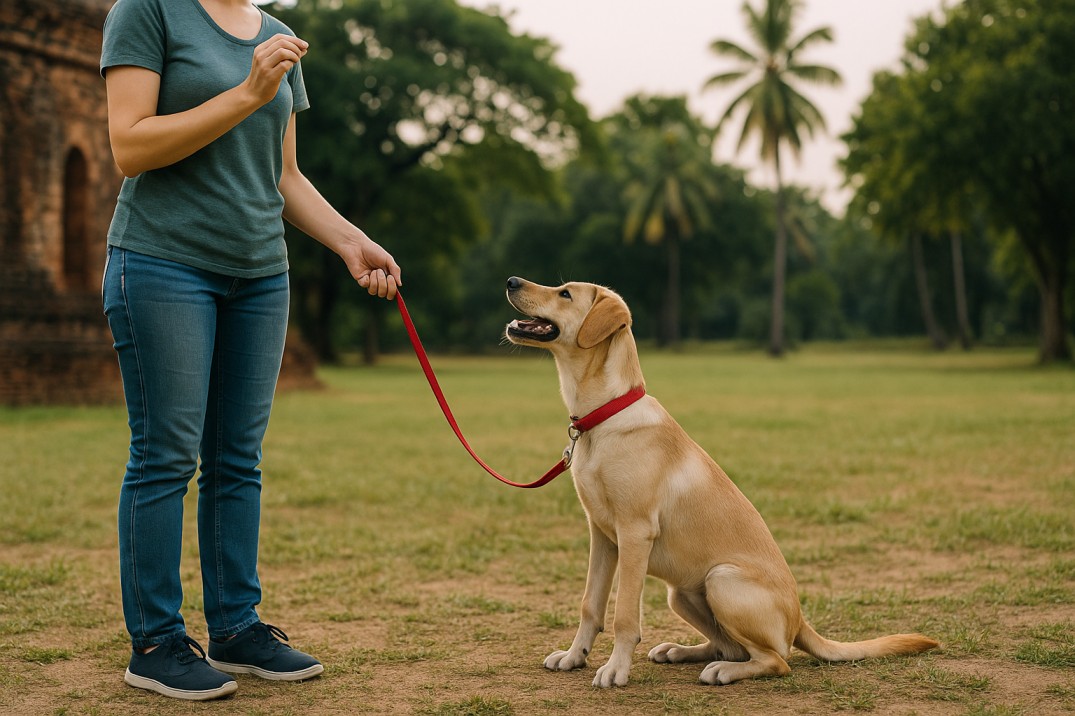
Training a dog in Sri Lanka can be both exciting and challenging. With the island’s unique environment its warm climate, busy streets, and presence of stray dogs many owners struggle to teach their pets proper obedience at home. The good news is that training a dog in Sri Lanka doesn’t have to be complicated. In this guide, you’ll learn practical, beginner-friendly methods that actually work, whether you’re raising a new puppy or trying to correct unwanted behaviours in an older dog.
By the end of this article, you’ll know exactly how to train a dog in Sri Lanka using simple steps, local-friendly techniques, and proven methods that help dogs become calm, confident, and well-behaved.
Why Dog Training Is Important in Sri Lanka
Training your dog isn’t just a bonus skill it’s essential for living peacefully and safely in Sri Lanka. Many common dog behaviour issues in Sri Lanka come from a lack of early guidance. Because of the island’s unique environment such as frequent loud noises, crowded neighborhoods, and encounters with stray dogs untrained pets can quickly become stressed, anxious, or overly protective.
Proper dog training in Sri Lanka teaches your pet how to stay calm, read situations correctly, and listen to basic obedience commands like “Sit,” “Stay,” and “Come.” This is especially important for families living in apartments or busy urban areas such as Colombo, Kandy, and Galle, where dogs must learn to behave around people, traffic, and other animals.
A trained dog is not only easier to manage but also safer. Good obedience reduces risks like running into the street, barking excessively at neighbours, chasing wildlife, or reacting aggressively when surprised. Whether you’re raising a new puppy or working with an older rescue dog, consistent training builds trust and helps your dog feel secure in Sri Lanka’s active and sometimes unpredictable environment.
Understanding Your Dog’s Behaviour
Before you begin any type of dog training in Sri Lanka, it’s essential to understand what drives your dog’s behaviour. Dogs don’t misbehave because they’re stubborn they react to their environment, instincts, and the way they interpret human signals. In a country like Sri Lanka, where daily life includes loud streets, warm weather, and frequent encounters with stray dogs, these reactions can become even stronger.
Most dog behaviour issues in Sri Lanka such as barking at night, pulling on the leash, ignoring commands, or showing fear during traffic noise come from a lack of structure, confusion, or overstimulation. When dogs don’t clearly understand what their owners expect, they try to manage situations on their own. This is why a solid understanding of behaviour is the foundation of effective training.
Reading Your Dog’s Body Language
Dogs communicate long before they make a sound. Recognizing early signals helps you guide your dog more gently and prevent unwanted behaviour.
Key signs to watch for include:
- Relaxed tail and ears → calm and comfortable
- Tail tucked or ears pulled back → fear, stress, or insecurity
- Stiff posture and focused stare → tension or potential aggression
- Excessive panting (not heat-related) → anxiety or overwhelm
- Pacing, whining, or licking lips → uncertainty or discomfort
Understanding these cues allows you to respond before the behaviour escalates.
Common Behaviour Triggers in Sri Lanka
Sri Lanka’s environment introduces specific pressures that influence how dogs behave:
- Frequent stray dog encounters can trigger territorial barking or fear-based reactions
- Busy streets, motorbikes, and tuk-tuks may overwhelm sensitive or young dogs
- High temperatures can reduce focus and cause irritability
- Crowded neighborhoods increase noise levels, leading to anxiety or alert barking
- Limited secure outdoor spaces can reduce socialization opportunities
By understanding these local factors, you’ll be better prepared to shape a training routine that suits real-life conditions in Sri Lanka.
Basic Obedience Training in Sri Lanka (Step-by-Step)
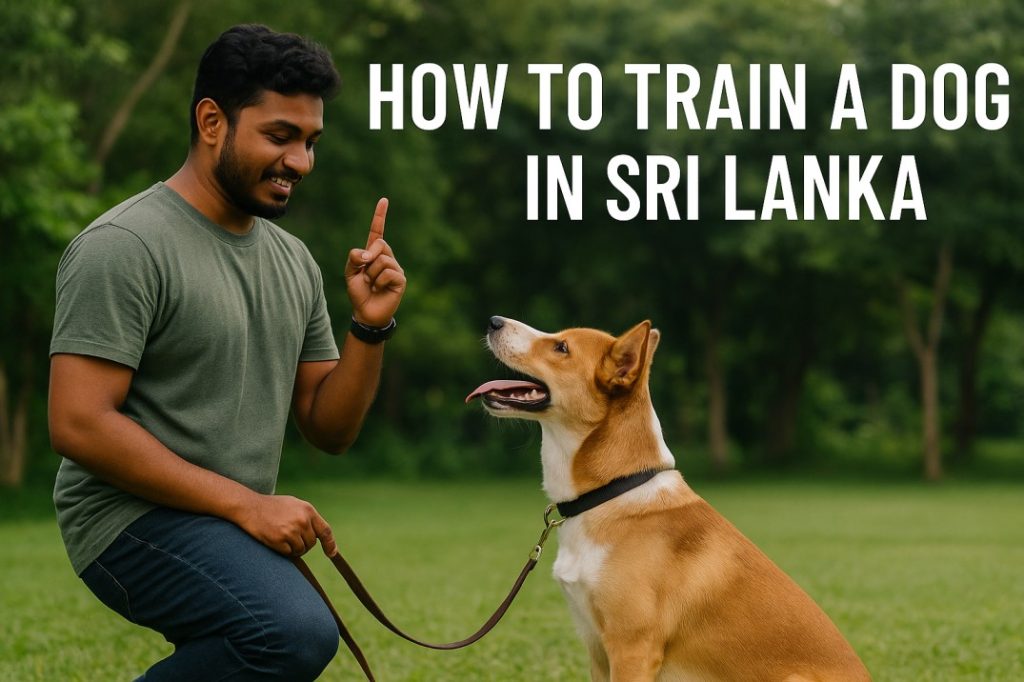
Teaching basic obedience is the foundation of any successful dog training in Sri Lanka. Whether you’re training a new puppy or an older rescue dog, these simple commands help keep your pet safe, confident, and well behaved in Sri Lanka’s busy and often unpredictable environment. The key is consistency, patience, and using training methods that work well in warm climates and active neighborhoods.
Start With the Essential Commands
Every dog in Sri Lanka should learn four core obedience commands: Sit, Stay, Come, and Heel. These commands help you manage your dog during walks, around other animals, and inside your home.
- Sit
- Hold a small treat above your dog’s head
- Slowly move it backward
- As the dog looks up, its bottom will naturally lower
- The moment it sits → say “Sit” and reward
This command is especially helpful when greeting people in crowded areas.
- Stay
- Ask your dog to sit
- Hold your hand out like a stop sign
- Say “Stay” and take one small step back
- Return immediately and reward
Start with 1–2 seconds, then increase distance.
In Sri Lanka’s busy streets, “Stay” is critical for safety.
- Come
- Use a long leash in your yard or an open safe space
- Crouch down, open your arms, and say “Come!”
- Reward heavily when the dog returns
This command is essential due to frequent disruptions like stray dogs or sudden traffic noise.
- Heel
- Keep your dog on your left side
- Walk forward slowly
- Reward your dog for staying beside you, not pulling
- If the dog pulls, stop immediately and wait until it returns to position
Heel training prevents leash aggression and keeps walks calm even in busy Sri Lankan neighborhoods.
Use Positive Reinforcement The Method That Works Best in Sri Lanka
Positive reinforcement is the most effective training method for Sri Lankan dogs. Instead of punishing mistakes, reward every correct action with:
- Treats
- Praise
- Gentle petting
- Playtime
Why this works well here:
Dogs in Sri Lanka often face loud noises and unpredictable outdoor environments. Harsh methods increase fear, while positive training builds confidence and obedience.
Common Mistakes Sri Lankan Dog Owners Make
To get the best results, avoid these frequent errors:
- Training during the hottest hours → heat reduces focus
- Using punishment or shouting → increases anxiety
- Inconsistent commands → confuses the dog
- Too-long training sessions → short, frequent sessions work better
- Not socializing the dog early → leads to fear or aggression around street dogs
By avoiding these mistakes, your training sessions become smoother and more effective.
Puppy Training in Sri Lanka (For New Dog Owners)
Training a puppy in Sri Lanka requires patience, consistency, and an understanding of how puppies learn in the island’s unique environment. Whether you’re raising a Labrador in Colombo or a mixed-breed pup in Kandy, early puppy training in Sri Lanka sets the foundation for a calm, confident, and well-behaved adult dog.
Puppies absorb new behaviors quickly, so starting early is the best way to prevent issues like barking, biting, fearfulness, and poor social skills.
Housebreaking Your Puppy in Sri Lanka’s Tropical Climate
One of the first goals for new owners is housebreaking. Warm weather and tiled floors in many Sri Lankan homes can make the process easier if you stay consistent.
How to do it:
- Take your puppy to the same outdoor spot every 2–3 hours
- Reward immediately when they eliminate outside
- After meals, naps, or playtime → take them out again
Keep a regular feeding schedule to maintain predictable potty times and Avoid scolding your puppy accidents are normal, especially for the first few weeks Because of the heat, avoid outdoor potty breaks during mid-day. Early mornings and evenings work best.
Socializing Your Puppy Safely in Sri Lanka
Socialization is one of the most important parts of puppy training in Sri Lanka, but it must be done safely due to the presence of stray dogs and occasional health risks.
Best socialization practices:
- Introduce your puppy to friendly, vaccinated dogs only
- Avoid street dogs until your puppy completes vaccinations
- Expose your pup to different sounds like tuk-tuks, motorbikes, traffic, and children playing
- Let them meet new people in calm, controlled settings
- Take short walks in low-traffic areas before exploring busier streets
Proper socialization prevents fear-based aggression later in life and makes your dog more adaptable to Sri Lankan environments.
Building Good Habits Early
Puppies learn best through short, fun training sessions. You can start basic commands like Sit, Come, and Stay as early as eight weeks old.
- Good early habits include:
- Chewing on designated toys (not slippers!)
- Calm greetings instead of jumping
- Walking with a loose leash
- Sleeping in a consistent spot or crate
Creating these habits early prevents almost all major dog behaviour issues in Sri Lanka when the dog becomes an adult.
Training Challenges Unique to Sri Lanka
- Puppy owners often face a few Sri Lanka–specific difficulties:
- Heat makes puppies tired faster → keep sessions short
- Stray dogs may scare young puppies → choose safe walking routes
- Noise from traffic and fireworks → start exposure gradually
Apartment living requires extra consistency with housebreaking
Understanding these factors helps you build a realistic routine that fits your lifestyle and protects your puppy’s emotional development.
How to Train Your Dog at Home in Sri Lanka
Training your dog at home is one of the easiest and most effective ways to build good behaviour. Many Sri Lankan dog owners prefer at-home training because it’s convenient, budget-friendly, and safer especially in areas where stray dogs or busy streets make outdoor training stressful. The good news is that training your dog at home in Sri Lanka can give you excellent results if you follow the right structure and stay consistent.
Create a Calm and Controlled Training Space
Before you begin, choose a quiet area inside your home or garden where distractions are minimal. Sri Lankan homes can be quite lively with visitors, kids playing, or neighborhood noise so creating a controlled environment helps your dog focus.
Tips for an ideal training space:
- Avoid areas with loud traffic noise
- Keep other pets away during training
- Use a shaded area if you’re training outside (heat affects focus)
- Have treats, a leash, toys, and water ready
- A stable environment is key to successful dog training at home in Sri Lanka.
- Use Short, Frequent Training Sessions
Because of Sri Lanka’s warm climate, dogs may lose focus faster. It’s better to have multiple short sessions than one long one.
Recommended routine:
- 5–10 minutes per session
- 2–3 sessions per day
- End every session with a reward or short playtime
- Short, positive sessions help your dog learn faster without becoming tired or frustrated.
- Focus on One Command at a Time
Many owners try to teach too many commands at once, which confuses the dog. Start with simple commands like:
- Sit
- Stay
- Come
- Down
- Heel
Once your dog masters one, move to the next. Consistency is key when you train your dog at home in Sri Lanka.
Use Everyday Situations as Training Opportunities
Training doesn’t have to be a formal session. Use real-life moments around the house to reinforce obedience.
Examples:
- Ask for Sit before giving food
- Use Stay before opening the door
- Practice Come from different rooms
- Use Leave it if they try to grab shoes or household items
These natural interactions help your dog learn faster and behave better during daily activities.
Control Environmental Triggers
Sri Lankan homes can have unique distractions street dogs barking outside, motorbikes passing by, construction sounds, or fireworks during celebrations. Instead of avoiding these triggers completely, gradually introduce your dog to them in a controlled way.
How to do it:
- Play low-volume street sounds and reward calm behaviour
- Let your dog observe neighbourhood activity from a safe distance
- Keep training sessions indoors during loud or stressful events
- Over time, your dog becomes more confident and less reactive.
- Reward Good Behaviour, Ignore Bad Behaviour
Positive reinforcement works best for home training. Whenever your dog does something right, immediately reward with:
- A treat
- Praise (“Good boy!” / “Good girl!”)
- A quick play session
For minor unwanted behaviours, such as whining or mild barking, avoid shouting or punishment. Simply ignore the behaviour or redirect the dog to something positive.
This method is proven to work extremely well in at-home dog training in Sri Lanka.
Leash Training and Outdoor Practice
Walking your dog in Sri Lanka can be both enjoyable and challenging. Between the heat, busy streets, and frequent encounters with stray dogs, proper leash training in Sri Lanka is essential for safety and control. A well-trained dog walks calmly beside you, avoids pulling, and stays focused even when distractions appear.
Leash training takes patience, but once mastered, it turns every walk into a positive bonding experience for both you and your dog.
Start Indoors Before Going Outside
Before facing the outdoor environment, teach your dog to walk on a leash inside your home or garden.
Indoor practice helps your dog learn:
- Not to pull
- To stay on your left side
- To respond to your pace
- To remain calm even when leashed
Once your dog is comfortable indoors, transition slowly to outdoor areas.
Choose the Right Walking Times in Sri Lanka
Because of Sri Lanka’s warm and humid climate, dogs can overheat quickly. Walking during cooler hours keeps your dog comfortable and more focused during training.
Best times to walk your dog:
- Early morning (5:30 AM – 7:30 AM)
- Late afternoon or evening (after 5 PM)
- Avoid mid-day walks to prevent fatigue, irritability, and heat-related behaviours.
How to Teach “Heel” (Walk Without Pulling)
The Heel command is essential for safe outdoor walking in Sri Lanka.
Step-by-step:
- Keep your dog on your left side
- Hold the leash with a slight slack — not tight, not loose
- Walk forward slowly
- The moment your dog pulls → stop completely
- Wait until the dog comes back to your side
- Reward and continue walking
Consistently stopping every time your dog pulls teaches them that pulling never gets them where they want to go.
Handling Stray Dogs A Major Sri Lankan Challenge
One of the biggest reasons leash training is important is the presence of stray dogs.
How to keep your dog safe:
- Avoid areas known for large stray dog groups
- Stay calm your dog mirrors your energy
- Do not allow your dog to stare directly at strays
- Create distance early; crossing the street is perfectly fine
If a stray approaches, keep your dog behind you and walk away calmly
Never run running excites both stray and pet dogs
Confidence and distance are the safest tools for outdoor practice in Sri Lanka.
Reward Calm Behaviour During Walks
Anytime your dog:
- Looks at you
- Walks beside you
- Ignores distractions
- Doesn’t react to other dogs
→ Reward immediately.
This builds strong focus and reinforces good behaviour during walks, which is extremely important for dog walking in Sri Lanka.
Gradually Increase Exposure to Real Environments
Proper leash training means slowly exposing your dog to:
- Traffic
- Tuk-tuks
- Bikes
- Street vendors
- Other pets
- Kids playing outside
Start from a quiet street, then slowly move to busier ones. This step-by-step social exposure helps your dog stay confident and non-reactive in Sri Lanka’s real outdoor environment.
Crate Training in Sri Lanka — Is It Necessary?
Crate training is one of the most effective tools for managing behaviour, building independence, and keeping your dog safe. However, many owners in Sri Lanka are unsure whether crate training is necessary or suitable. The truth is, crate training in Sri Lanka can be extremely helpful when done correctly and humanely.
Crates are not cages or punishment devices—they are safe, cozy spaces where dogs can rest, relax, and learn boundaries. In fact, most dogs naturally enjoy having a private den-like spot that belongs only to them.
Why Crate Training Helps Dogs in Sri Lanka
Sri Lankan households often have unique challenges that make crate training valuable:
- Living in apartments where controlled spaces are important
- Busy homes with guests, children, or frequent movement
- Hot weather, where dogs need cool, quiet areas to rest
- Safety concerns when owners are away (chewing wires, eating harmful items)
- Nighttime barking caused by outside noise or stray dogs
A properly used crate gives your dog a calm retreat and helps prevent many unwanted behaviours.
Choosing the Right Crate in Sri Lanka
You don’t need an expensive crate — just one that fits your dog comfortably.
A good crate should:
- Be large enough for your dog to stand, turn, and lie down
- Have good ventilation for Sri Lanka’s warm climate
- Be placed in a quiet but accessible part of the home
- Include soft bedding and safe chew toys
Types available in Sri Lanka include metal wire crates, plastic travel crates, and collapsible fabric crates.
How to Crate Train Your Dog Step-by-Step
Step 1: Make the Crate Inviting
- Leave the door open
- Add a soft blanket or mat
- Place treats, toys, or chews inside
- Allow your dog to explore without pressure
Step 2: Feed Near or Inside the Crate
This helps your dog associate the crate with positive experiences.
Step 3: Start With Short Sessions
- Ask your dog to enter the crate with a treat
- Close the door for 1–2 minutes
- Gradually increase time as your dog becomes comfortable
Step 4: Never Use the Crate as Punishment
This is the number one rule of crate training in Sri Lanka. A crate should always feel safe—not scary.
Step 5: Build a Routine
Dogs love structure. Use the crate for:
- Short naps
- Quiet time
- Overnight sleeping (optional)
- When guests visit (if your dog gets excited)
Common Mistakes to Avoid
Many owners misuse crates without realizing it. Avoid the following:
- Keeping the dog inside too long
- Using the crate during hot hours without ventilation
- Locking the dog inside without proper exercise
- Letting the dog out when they cry (rewards bad behaviour)
- Choosing a crate that’s too small or too warm
When used properly, crate training becomes one of the most powerful tools for building discipline and calm behaviour.
How to Stop Dog Barking (Sri Lanka Edition)
Barking is one of the most common dog behaviour issues in Sri Lanka, especially in neighborhoods with loud traffic, active streets, and frequent stray dog activity. While barking is a natural way for dogs to communicate, excessive or unnecessary barking can become stressful for both owners and neighbours. The good news is that with consistency and the right approach, you can effectively stop dog barking in Sri Lanka without using harsh methods.
Identify Why Your Dog Is Barking
Before you correct the behaviour, you must understand the cause. Dogs bark for different reasons, and each one needs a specific solution.
Common barking triggers in Sri Lanka:
- Stray dogs passing by your gate
- Nighttime noises (vehicles, fireworks, cats, people walking)
- Guarding the home in busy neighborhoods
- Boredom or lack of exercise
- Fear of loud tuk-tuk or motorbike sounds
- Separation anxiety in indoor dogs
Once you identify the reason, correcting the barking becomes much easier.
1. For Barking at Stray Dogs or Street Noises
Stray dog activity is one of the biggest causes of excessive barking in Sri Lanka.
How to fix it:
- Block visual triggers with curtains or barriers
- Play soft background noise indoors
- Teach the “Quiet” command using treats
- Reward your dog for ignoring outside sounds
- Avoid shouting it makes dogs bark more
If your dog barks from the gate, create distance by bringing them inside during peak stray activity.
2. For Barking at Night
Many owners search for how to stop dog barking at night in Sri Lanka because night barking is extremely common.
Solutions:
- Increase evening exercise to reduce energy
- Keep the dog indoors during noisy hours
- Use calming routines before bedtime
- Check for street dogs or cats outside
- Ensure your dog isn’t hungry, thirsty, or uncomfortable
A tired dog is a quiet dog this rule never fails.
3. For Attention-Seeking Barking
Some dogs bark to get what they want, such as food, playtime, or attention.
What to do:
- Completely ignore barking
- Reward only when the dog is quiet
- Use commands like “Sit” or “Down” to redirect behaviour
- Never give treats or affection while the dog is barking
If you give attention during barking, the behaviour becomes stronger.
4. For Fear-Based Barking (Common with Fireworks & Traffic)
Loud sounds like fireworks, motorbikes, and tuk-tuks can trigger fear.
How to help:
- Close windows and reduce noise
- Create a safe space (crate or quiet room)
- Play calming music
- Gradually desensitize the dog to recorded sounds at low volume
- Offer comfort but don’t overreact stay calm
Confidence training is very effective for dogs living in noisy Sri Lankan cities.
Teach the “Quiet” Command
A simple and powerful solution for all barking types.
Step-by-step:
- Let your dog bark once or twice
- Say “Quiet” in a calm voice
- When the dog stops barking for even one second → reward immediately
- Repeat multiple times in short sessions
- Gradually increase the duration of silence before rewarding
Over time, your dog learns that silence earns rewards not barking.
When to Seek Professional Help
If barking is constant, intense, or linked to aggression, it may be time to hire a dog trainer in Sri Lanka. Professional trainers can assess your dog’s emotional triggers and create a personalized behaviour plan.
When You Need a Professional Dog Trainer in Sri Lanka
While many owners successfully teach basic commands at home, some dogs need extra guidance. Hiring a professional dog trainer in Sri Lanka can make a huge difference especially if your dog shows strong behaviour issues or if you’re too busy to maintain consistent training sessions. A trained expert understands canine psychology, local environmental triggers, and the specific challenges that Sri Lankan dog owners face.
Professional training isn’t just for “bad” dogs. It’s for owners who want faster results, better obedience, and a deeper bond with their pets.
Signs Your Dog Needs a Professional Trainer
If your dog shows any of the following behaviours, it may be time to look for a dog training service in Sri Lanka:
- Leash aggression or reacting strongly to other dogs
- Severe separation anxiety when you leave
- Non-stop barking, especially at night
- Fear of strangers, vehicles, or loud noises
- Difficulty learning basic commands even with repetition
- Aggression toward people or pets
- Destructive behaviour, such as chewing furniture or digging
These issues often require expert guidance to address safely and effectively.
Benefits of Hiring a Dog Trainer in Sri Lanka
A certified trainer understands local dog behaviour patterns, cultural environments, and common challenges like stray dog encounters or noisy neighbourhoods.
Working with a trainer provides:
- Faster results through structured sessions
- Customized training plans based on your dog’s personality
- Correct handling techniques that prevent future problems
- Safe socialization opportunities with well-trained dogs
- Professional correction of behaviour issues
- Improvement in your dog’s confidence and focus
For new puppy owners, early sessions with a trainer can prevent almost all major behavioural issues later on.
How to Choose the Right Dog Trainer in Sri Lanka
Not all trainers use safe or modern methods. Choosing the right one is essential for your dog’s physical and emotional wellbeing.
What to look for:
- Positive reinforcement–based methods (no punishment)
- Experience with Sri Lankan environments (strays, noise, heat)
- Clear communication and transparency
- Good reviews from local pet owners
- A calm, patient, dog-centered approach
Avoid trainers who shout, use force, or rely on outdated punishment techniques. These methods increase fear and long-term behavioural issues.
Average Cost of Dog Training in Sri Lanka
Prices vary depending on location, experience, and the type of training offered.
Typical price range:
- Basic obedience: moderate
- Behaviour correction: slightly higher
- Puppy training packages: often bundled weekly
- Private home sessions: higher due to travel
Best Dog Training Methods for Sri Lanka’s Environment
Not every dog training method works equally well in every country. Sri Lanka’s warm climate, active neighbourhoods, and frequent stray dog encounters make certain techniques far more effective than others. The best dog training methods in Sri Lanka focus on building confidence, reducing stress, and keeping the dog calm in a stimulating environment.
Below are the most proven, dog-friendly techniques that work exceptionally well for Sri Lankan dogs.
1. Positive Reinforcement — The Most Effective Method
Positive reinforcement is the gold standard of modern dog training. Instead of punishing mistakes, you reward desired behaviours so your dog naturally chooses the correct actions.
Why it works so well in Sri Lanka:
- Reduces anxiety caused by loud environments
- Builds trust between dog and owner
- Creates long-lasting obedience
- Works for puppies and adult dogs
Rewards can include small treats, praise, toys, or affection.
This method is perfect for correcting common dog behaviour issues in Sri Lanka such as barking, pulling, fearfulness, or overexcitement.
2. Clicker Training for Fast Learning
Clicker training uses a small device that makes a quick “click” sound to mark the exact moment your dog performs the right behaviour. This makes learning faster and clearer.
Benefits:
- Highly accurate timing
- Great for teaching tricks and precision commands
- Ideal for puppies with high energy
Clicker training is becoming more popular in Sri Lanka’s dog training community, especially among professional trainers.
3. Desensitization and Counterconditioning
Sri Lankan dogs face many stressful triggers: traffic, fireworks, tuk-tuks, street vendors, and stray dogs.
This method helps your dog get used to these triggers gradually.
How it works:
- Expose your dog to a trigger at a very low level
- Reward calm behaviour
- Slowly increase the intensity over time
For example, if your dog fears loud tuk-tuk sounds, you can play recorded audio at a soft volume and reward your dog for staying relaxed.
Over time, your dog becomes confident even in busy urban environments.
4. Leash Training With “Stop-and-Go” Technique
This method is ideal for Sri Lanka, where streets are crowded and full of distractions.
Steps:
- Start walking normally
- If your dog pulls → stop immediately
- Wait until the dog returns to your side
- Reward and continue walking
This teaches your dog that pulling never works, and walking beside you is always rewarded.
5. Routine-Based Training
Dogs in Sri Lanka respond very well to structured routines, especially in homes with children, guests, and frequent activity.
A good routine includes:
- Set meal times
- Regular training sessions
- Daily walks (cool hours)
- Evening calming routines
Predictability makes dogs feel secure and reduces behaviour issues.
6. Avoid Outdated Punishment-Based Methods
Methods like shouting, leash jerking, or physical corrections don’t work and can cause long-term behavioural damage especially in Sri Lanka’s already stimulating environment.
Negative methods often lead to:
- Increased fear
- More barking
- Leash aggression
- Reduced trust
Modern Sri Lankan trainers strongly recommend positive, reward-based approaches instead.
Training a dog in Sri Lanka comes with its own set of challenges from busy streets and warm weather to regular encounters with stray dogs. But with patience, structure, and the right techniques, any dog can learn to become calm, obedient, and confident. Whether you’re raising a new puppy or correcting behaviour issues in an adult dog, consistent dog training in Sri Lanka is the key to building a strong, respectful relationship with your pet.
Start with the basics, use positive reinforcement, and focus on short, effective training sessions. Pay attention to your dog’s body language, manage local environmental triggers, and practice obedience both at home and outdoors. If you ever feel stuck, don’t hesitate to seek help from a professional dog trainer in Sri Lanka who understands local behaviour patterns and can guide you toward faster results.
At the end of the day, a well-trained dog isn’t just easier to handle it’s happier, healthier, and safer in Sri Lanka’s vibrant and active environment. With consistency and care, you can teach your dog to behave beautifully, walk confidently, and feel secure no matter where life takes you.









Leave a Comment